
Accredited inspection of facade performance testing.
beTcs inspects the testing of cladding systems, curtain walling, door, window and skylight assemblies, facade assemblies and sloped glazing, for structural and weather performance, in the laboratory and on site.
Advice that prevents a failed test.
- Advice on the proposed test schedule and PMU configuration
- Scrutiny of an overseas facility's accreditation, credentials and scope
- Review of the facility's equipment and instrumentation for operability, range, calibration and accuracy
- Confirmation that test procedures, parameters and PMU configuration are agreed by all parties
Laboratory test witnessing and supervision
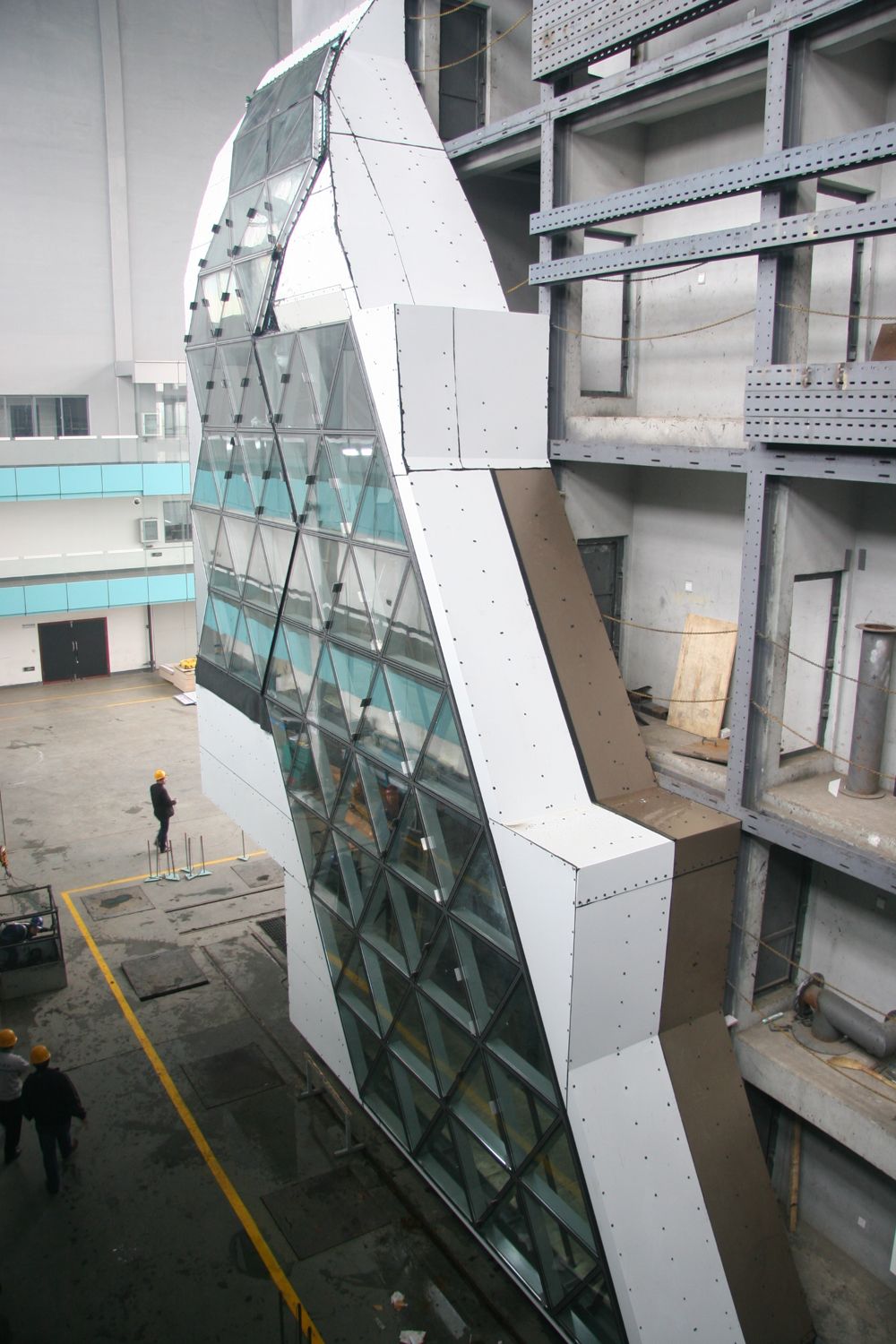
We witness and supervise performance testing of curtain wall prototypes, and of windows and sliding doors, at Australian and overseas laboratories. We make sure the test is run to the specified standard and agreed parameters, analyse the results independently, and issue a NATA-accredited inspection report.
Curtain wall prototypes
Windows and sliding doors
Impact performance testing
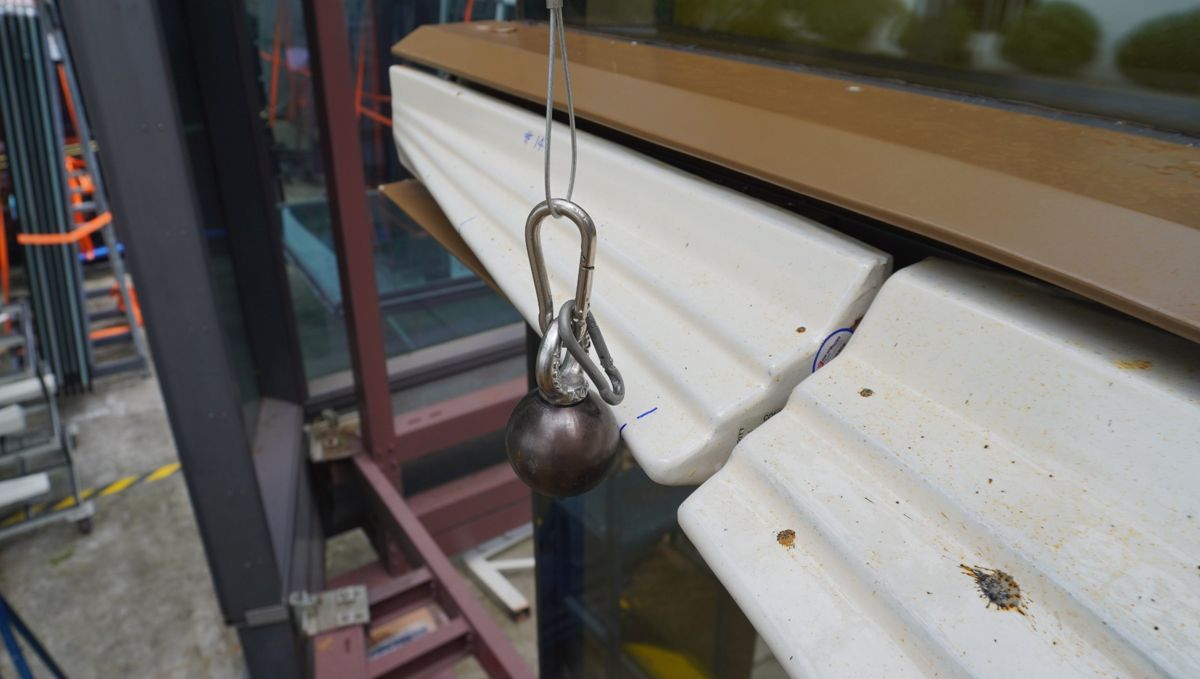
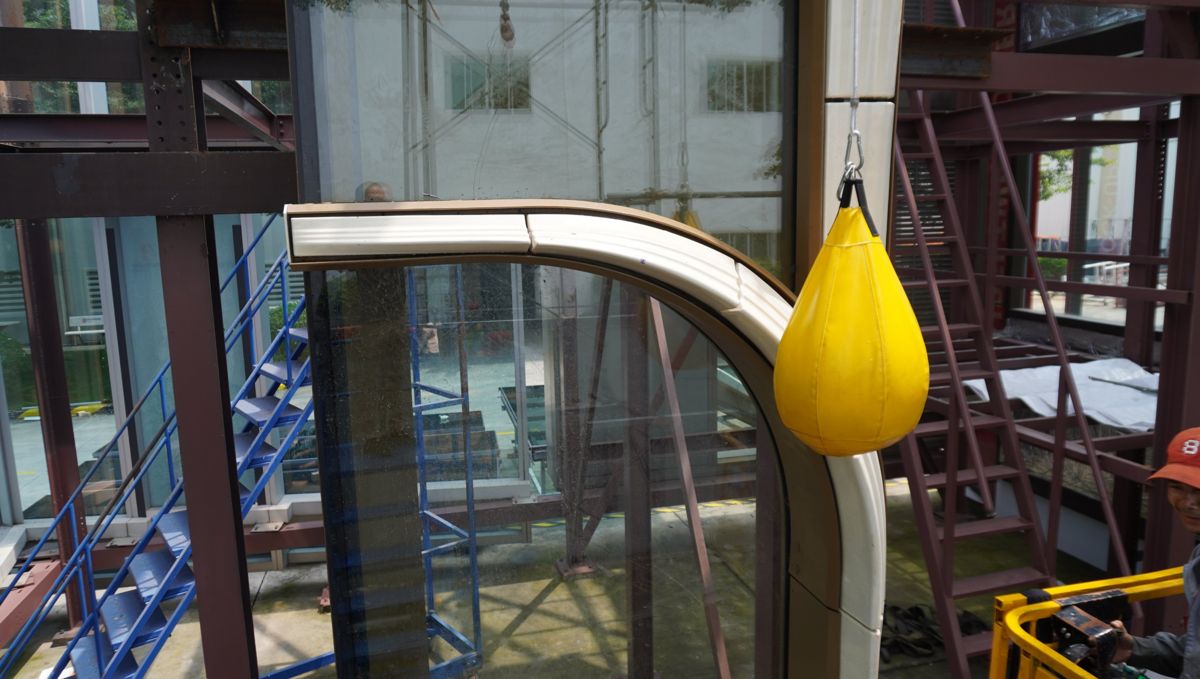
CWCT Technical Notes 75 and 76 set out a test method and classification system for the impact performance of cladding panels, under safety and serviceability conditions. They matter most where cladding is within public reach and accidental impact or misuse is likely.
beTcs holds the specified soft- and hard-body impactors to ISO 7892. At 55 Pitt Street, Sydney, we carried out almost 200 impacts across numerous terracotta tile profiles.
Field testing of installed facades
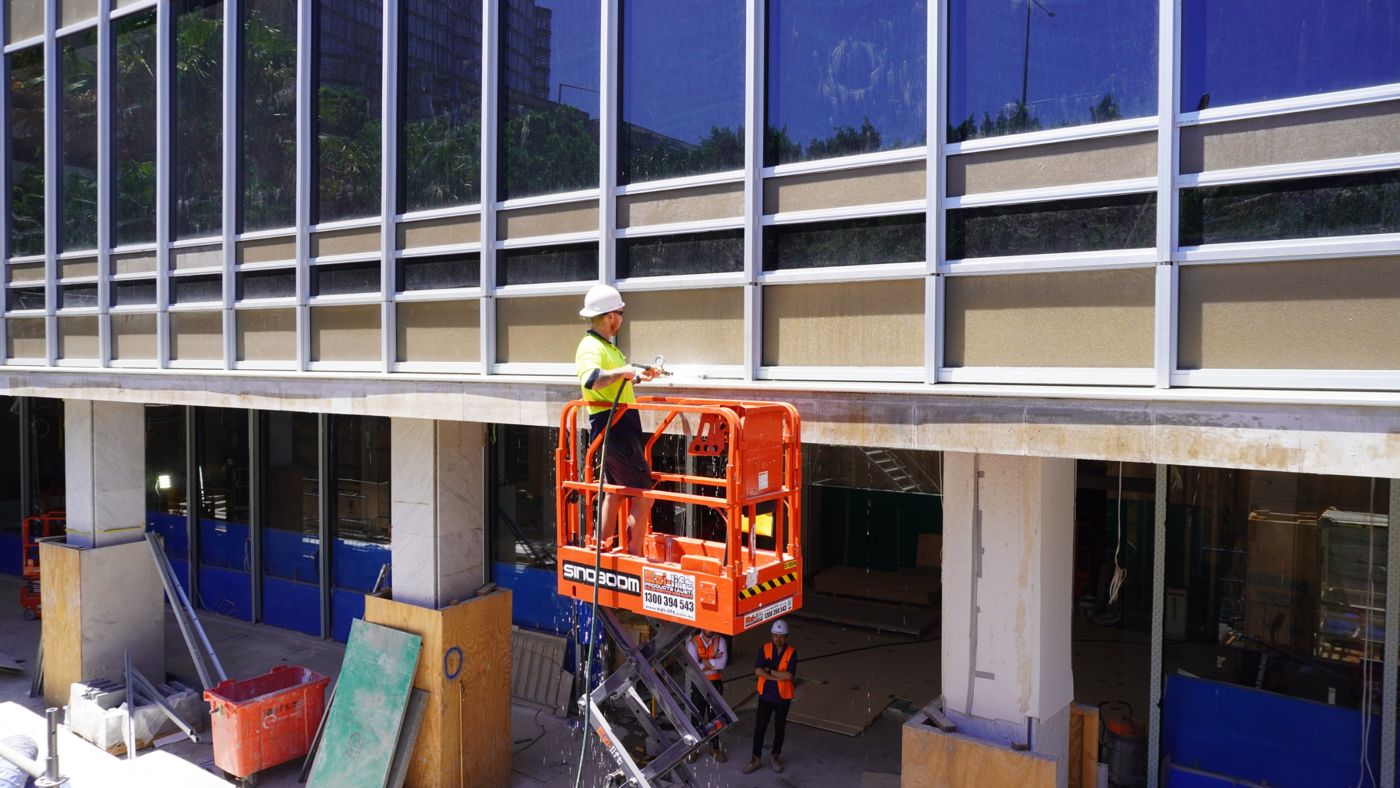
AAMA 501.2 is the widely accepted method for quality assurance and water penetration checks of installed curtain walls and sloped glazing. AAMA 503 and BS EN 13051 are more exacting means of on-site assessment.
NCC weatherproofing verification
The National Construction Code specifies Verification Methods F3V1 (Volume One) and H2V1 (Volume Two) to evaluate the weatherproofing of direct-fix cladding, cavity and unique wall systems. They provide a means to verify compliance with Performance Requirements F3P1 and H2P2 for water penetration through an external wall.